What Packaging Teams Should Clarify Before Asking for a New Label Quote
A better label quote starts with clearer inputs. These are the practical details that prevent delays, wrong assumptions, and expensive rework.
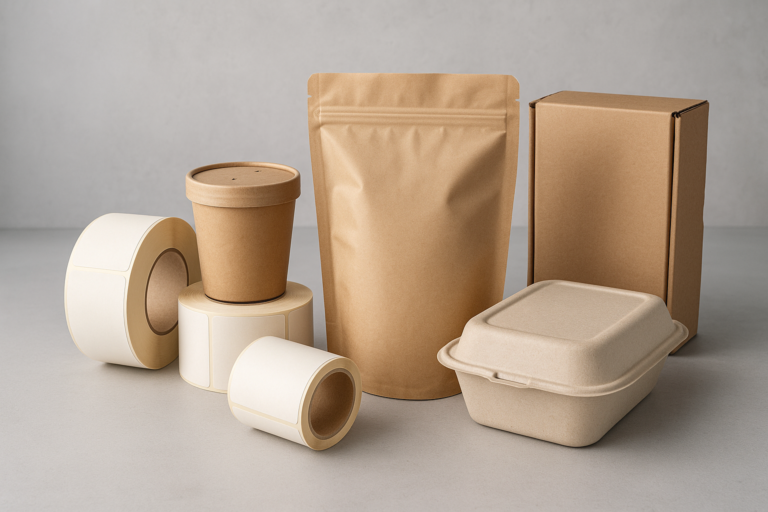
A better label quote starts with clearer inputs. These are the practical details that prevent delays, wrong assumptions, and expensive rework.
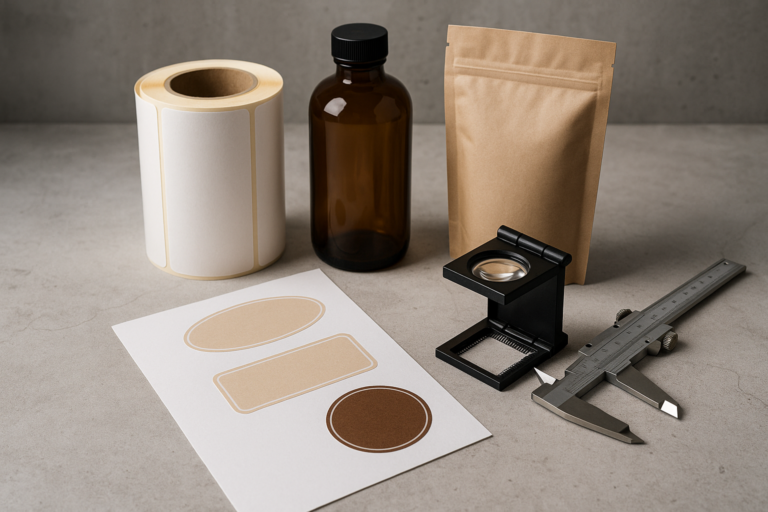
Release liners rarely get headline attention, but they can shape dispensing behavior, throughput, waste, and the real economics of a label program.
The conversation is shifting from broad sustainability claims toward tougher questions about performance, compatibility, cost, and measurable packaging impact.
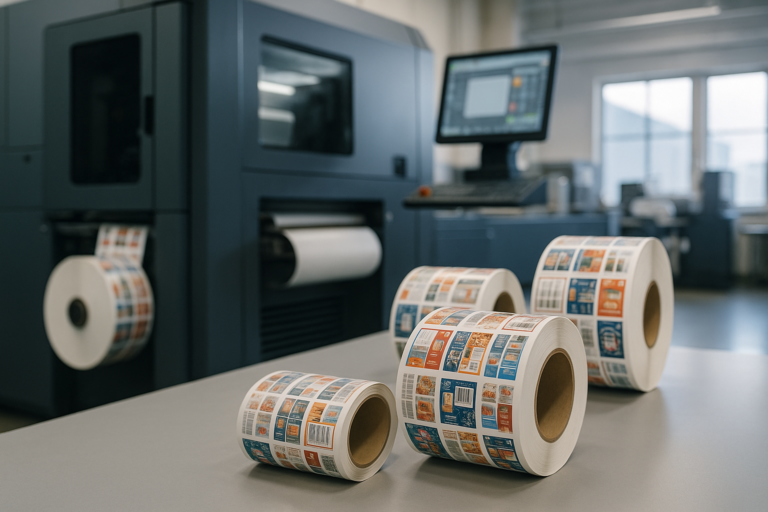
Consolidation keeps reshaping the label market, and buyers should watch what it does to leverage, responsiveness, and long-term sourcing risk.
Smart labels are still selective in adoption, but the conversation is moving from pilot language toward practical program design.
More teams are realizing that finishing capacity, setup time, and workflow friction can shape profitability just as much as print speed.
Automation is moving beyond isolated efficiency tools and becoming part of how label and converting businesses think about throughput, labor, and decision quality.
Flexography is still a major economic and operational advantage when repeatability, volume, and stable specifications lead the project.
Digital label printing keeps expanding, but its best use cases are still the ones where flexibility, speed, and versioning matter more than brute volume economics.
A practical look at the material shifts that are affecting label cost, performance, sustainability, and production planning.