Finishing Bottlenecks Are Becoming a Bigger Profit Story
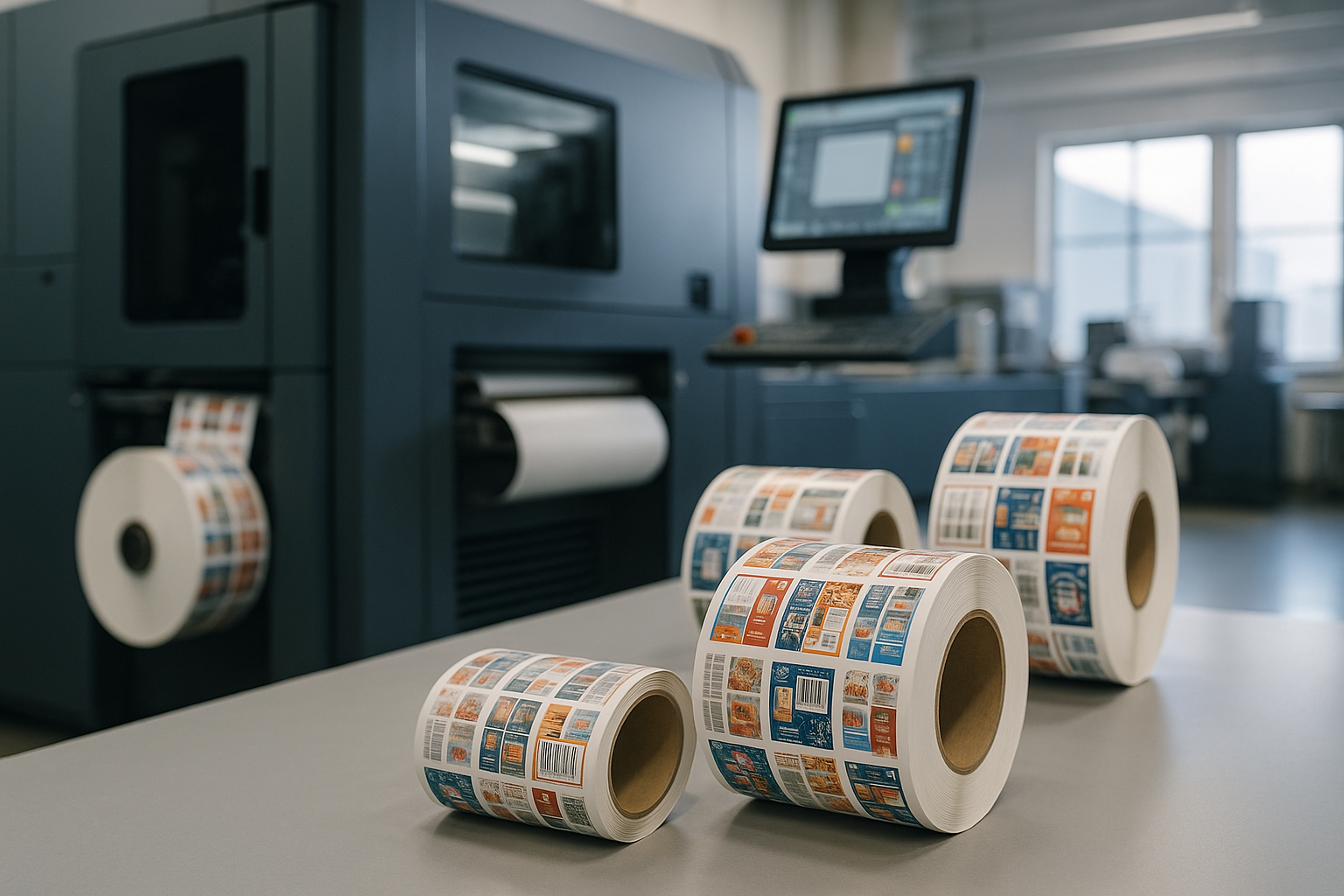
Print technology usually gets the headline, but finishing is often where the real profit story is decided. As label programs become more fragmented and job mixes become more demanding, the finishing department can determine whether a plant feels efficient or constantly under pressure.
Press speed is only part of the answer
A fast press does not guarantee fast output if die cutting, inspection, slitting, rewinding, or embellishment becomes the choke point. That mismatch is pushing more attention toward total line balance, not just printing capability.
Setup time matters more when job fragmentation rises
Frequent changeovers create hidden cost. Even when individual jobs look manageable, the aggregate effect can erode margin and planning confidence. Finishing teams that reduce setup friction often create outsized value compared with what the time savings first appear to suggest.
Quality risk is tied closely to finishing discipline
Many visible label defects are not purely print problems. Edge quality, registration integrity, matrix handling, and rewind consistency all influence delivered quality. That is one reason finishing performance deserves a larger role in buying and operational discussions.
Questions worth asking
- Where does work queue up after print?
- How much productive time is being lost to changeovers?
- Are embellishment or converting steps limiting throughput?
- Which quality issues originate after printing rather than before it?
- Would a better-balanced workflow change margin more than additional print speed?
As converters chase smarter efficiency, finishing is becoming harder to treat as a secondary step. It is increasingly central to capacity planning, quality control, and profitability.
Keep up with the market
Label & Converting is building a sharper stream of market coverage, buyer guidance, and packaging intelligence for the narrow web industry.